If people keep telling you that you have a great eye, and you catch yourself mentally rearranging every listing you scroll past, you've probably wondered whether you could do this for a living.
You can. But here's the thing nobody tells you at the start: home staging is a business first and a design job second. Your taste gets you in the door. What keeps you going is knowing how to quote, how to find clients and how to deliver on time without losing money.
So this guide is about the business side. Let's go step by step.
1. Understand what home staging really is
Home staging means preparing a home so it sells (or rents) faster and for a better price. You're not decorating it for the owner's taste. You're setting it up so the widest possible group of buyers can picture themselves living there.
That changes everything about how you work. Neutral beats bold. Light and space beat personality. And every decision has to earn its place in the listing photos.
Most jobs fall into one of these groups:
- Vacant homes. The home is empty and you bring in furniture and decor. This is where you need inventory.
- Occupied homes. The owners still live there. You declutter, rearrange, and add a few key pieces.
- Partial refresh. Just the rooms that matter most: usually the living room, the kitchen and the main bedroom.
- Rentals. Same idea, aimed at getting the place rented quickly and to the right tenant.
When you're starting out, occupied homes and partial refreshes are your best friends. You don't need a warehouse full of furniture to do them well.
2. Stage your first home before anyone pays you
You need a portfolio before you need a logo. And you don't need a client to build one.
Start with a home you have access to: yours, a friend's who's about to sell, a family member's rental between tenants. Take "before" photos from the exact same spots you'll use for the "after" photos. Same angle, same height, same time of day if you can. That's what makes a before & after convincing.
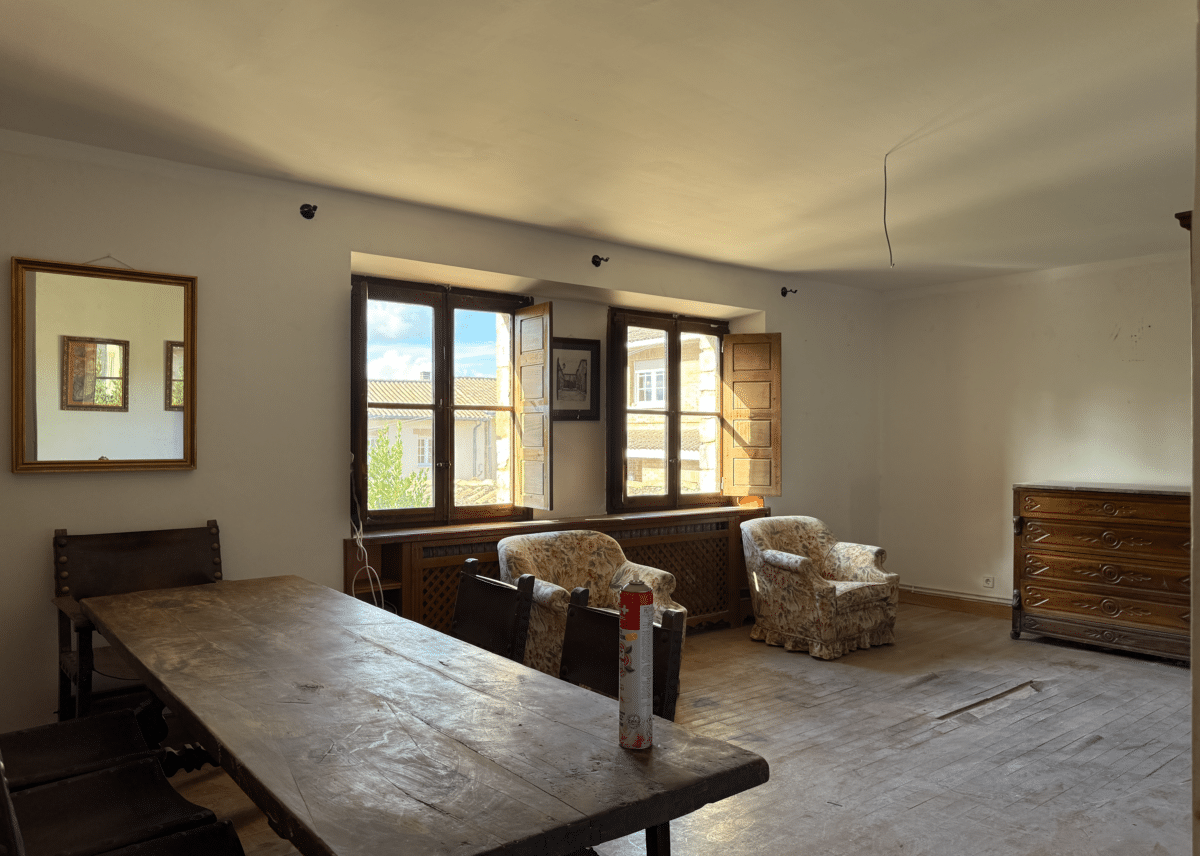
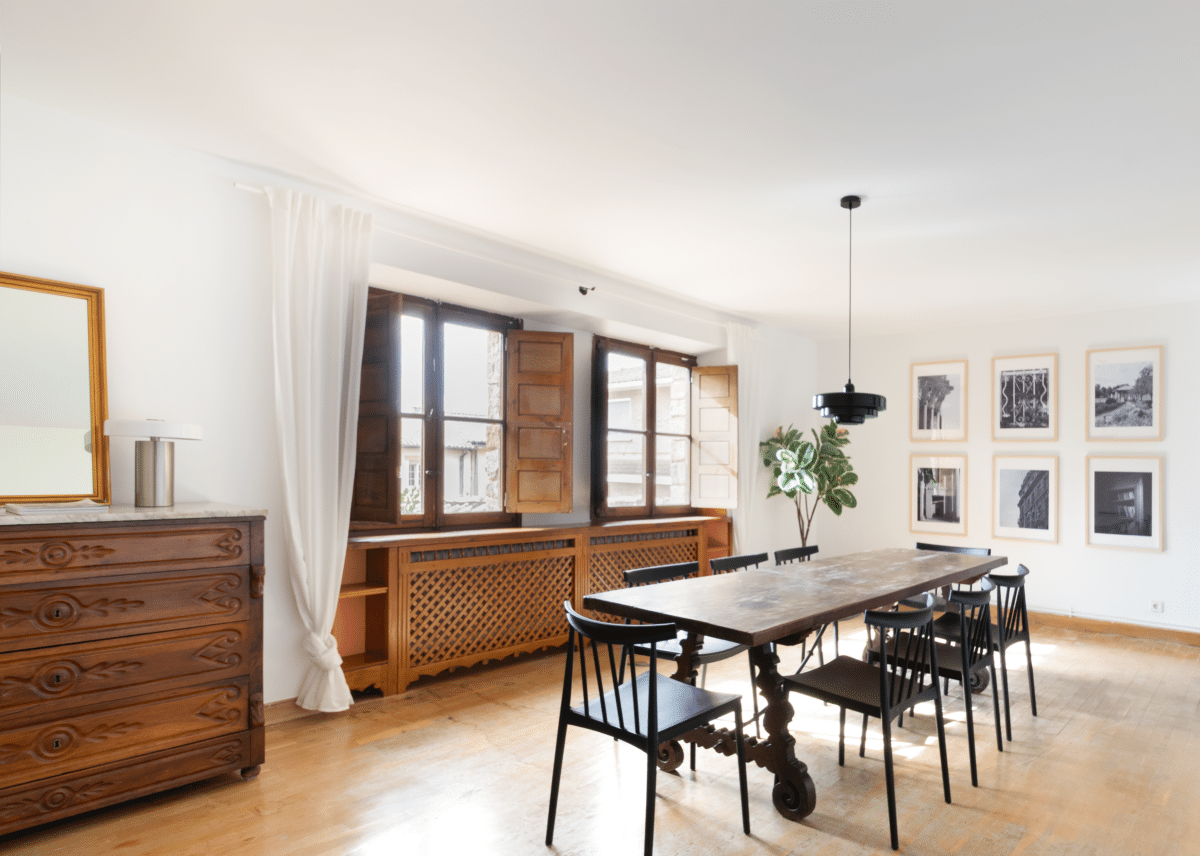
A dining room I staged on a budget. Same angle, same light: that's what sells a before & after.
Two or three solid projects like this are enough to start talking to realtors. I'd take three honest, well-photographed projects over twenty pretty Pinterest boards any day.
3. Learn to price your work so it's worth your time
This is where most new stagers get stuck, and where most of them lose money. The classic mistake is to quote by gut feeling, or to copy whatever number you found online without knowing what's behind it.
A good quote covers four things:
- Your time. The walkthrough, the planning, the shopping, setup day and teardown day. All of it.
- Furniture and decor. Whether you buy, rent or use your own inventory, it has a price, and pieces wear out.
- Moving and labor. Trucks, helpers, parking, stairs. These add up fast.
- Your margin. The part that turns this into a business instead of an expensive hobby.
Then decide how long the staging stays in the home and what happens if the sale takes longer than expected. Put that in writing from day one. I explain the whole method in how much to charge for home staging.
A tip from an engineer: build your quote in a spreadsheet once, with formulas, and reuse it on every project. You'll quote faster, you'll stop forgetting costs, and you'll be able to see which jobs actually make you money. That's exactly the template I share in my home staging course.
4. Furnish on a budget (don't buy a warehouse on day one)
You don't need to own a full house of furniture to start. In fact, buying too much too soon is one of the fastest ways to sink a new staging business.
- Start with what moves the needle in photos: bedding, cushions, throws, rugs, lamps, mirrors, plants and a few pieces of art.
- Use what's already there in occupied homes. Rearranging and editing is half the job.
- Rent the big pieces for vacant homes until you know which ones you'll use again and again.
- Buy secondhand and in neutral tones that work in almost any home.
Over time, your own inventory becomes an investment that pays for itself on every job. Let the projects tell you what to buy, not the other way around. More on this in how to build a staging inventory on a budget.
5. Find your first clients
Your two main clients are realtors and homeowners who are selling. Realtors are the ones who bring repeat work, so that's where I'd focus.
How to get a realtor to call you back
Realtors don't care that you love interiors. They care about listings that sell faster and owners who are happy. So talk their language:
- Show them before & afters, not mood boards.
- Offer to help with one listing that's been sitting on the market.
- Make it easy: a clear price, a clear timeline and photos ready for the listing.
- Follow up. Then follow up again.
Social media helps too. Every project you finish is content: the before, the after, the process. Post it consistently and people will start coming to you instead of the other way around. Here's my full guide on how to get your first home staging clients.
6. Set up the business side
This part isn't glamorous, but it's what protects you. Before your first paid job, have these ready:
- Your business registration and taxes, according to where you live. Rules change from state to state and country to country, so check locally.
- A simple contract that covers dates, what's included, who's responsible for damage and what happens if the home takes longer to sell.
- An invoice template and a clear way to get paid (ask for a deposit before setup day).
- Insurance for your inventory and your work. Ask a local broker what makes sense for you.
- A system to keep it all organized when you're a team of one.
Do you need a certification?
In most places, no. There's no license required to work as a home stager in most of the US. What clients and realtors really look at is your portfolio and how you work. A course can save you years of trial and error, but nobody will ask you for a certificate before handing you their keys. I go deeper in do you need a certification to be a home stager?
Where to go from here
If you take only one thing from this guide, let it be this: stage one home this month, photograph it properly and price it as if it were a real job. You'll learn more from that than from any amount of reading.
And if you want the exact steps, templates and numbers I use on every project, that's what I put together in my online home staging course.