Not every staging job is the same, and treating them all the same way is a classic mistake. A vacant home and an occupied home need different work, different furniture and a different price. Here's how I think about each one.
Vacant home staging
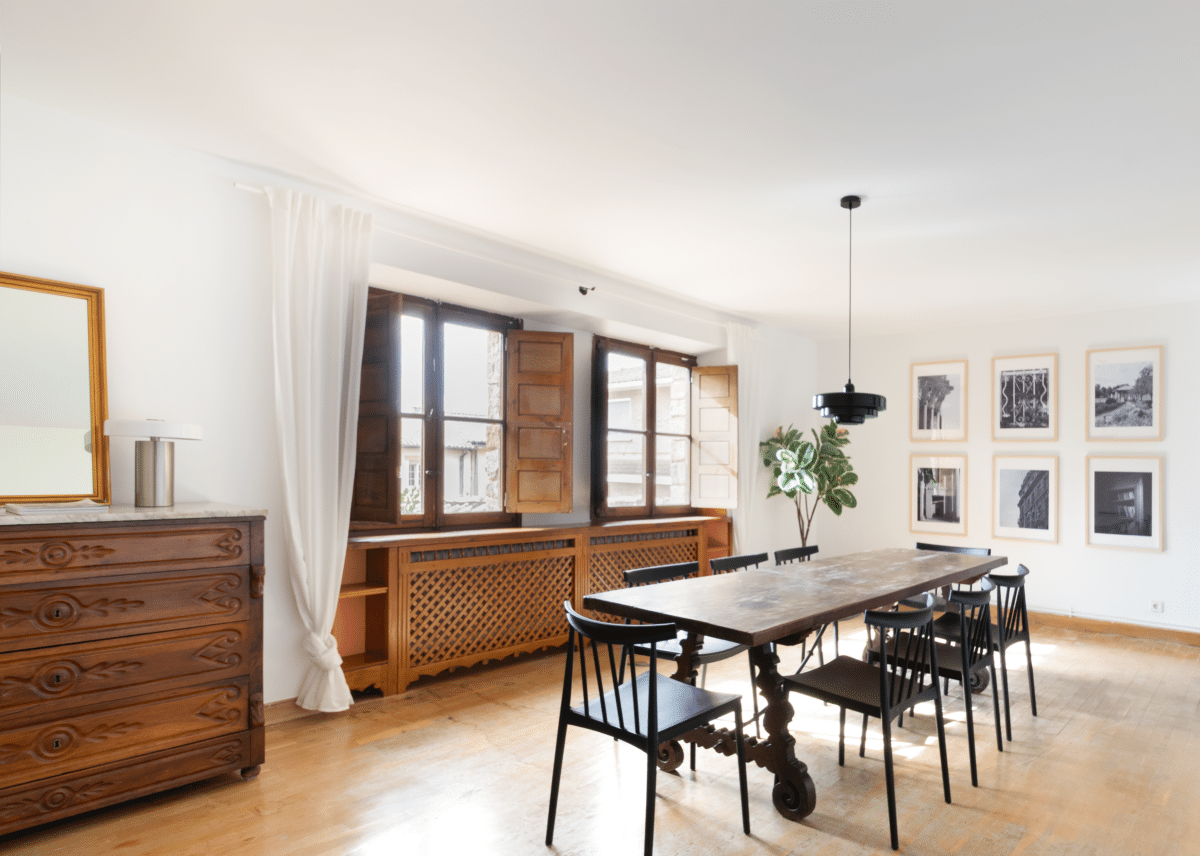
The home is empty. Maybe the owners have already moved, or it's a new build or an investment property. You bring in furniture and decor to show buyers how the space can be lived in.
What it involves
- Planning every room from scratch, with measurements.
- Furniture and decor: your own, rented or a mix.
- Truck, helpers and a full setup day (sometimes more).
- Teardown when the home sells.
How to price it
Vacant homes are usually your biggest projects. Your quote needs to cover your time, the furniture for a set period (often the first month), moving and labor, and your margin. Then add a monthly rate for every extra month the furniture stays in the home.
You don't always need to furnish every room. Focus on what buyers see first and what shows up in the listing photos: the living room, the kitchen and dining area, and the main bedroom.
Occupied home staging
The owners still live there. Your job is to make their home look like the best version of itself, without them having to move out.
What it involves
- Decluttering and depersonalizing (family photos, collections, fridge magnets).
- Rearranging furniture and moving pieces between rooms.
- Adding a few key items: bedding, cushions, rugs, lamps, plants, art.
- Advice on small fixes: paint touch-ups, light bulbs, cleaning.
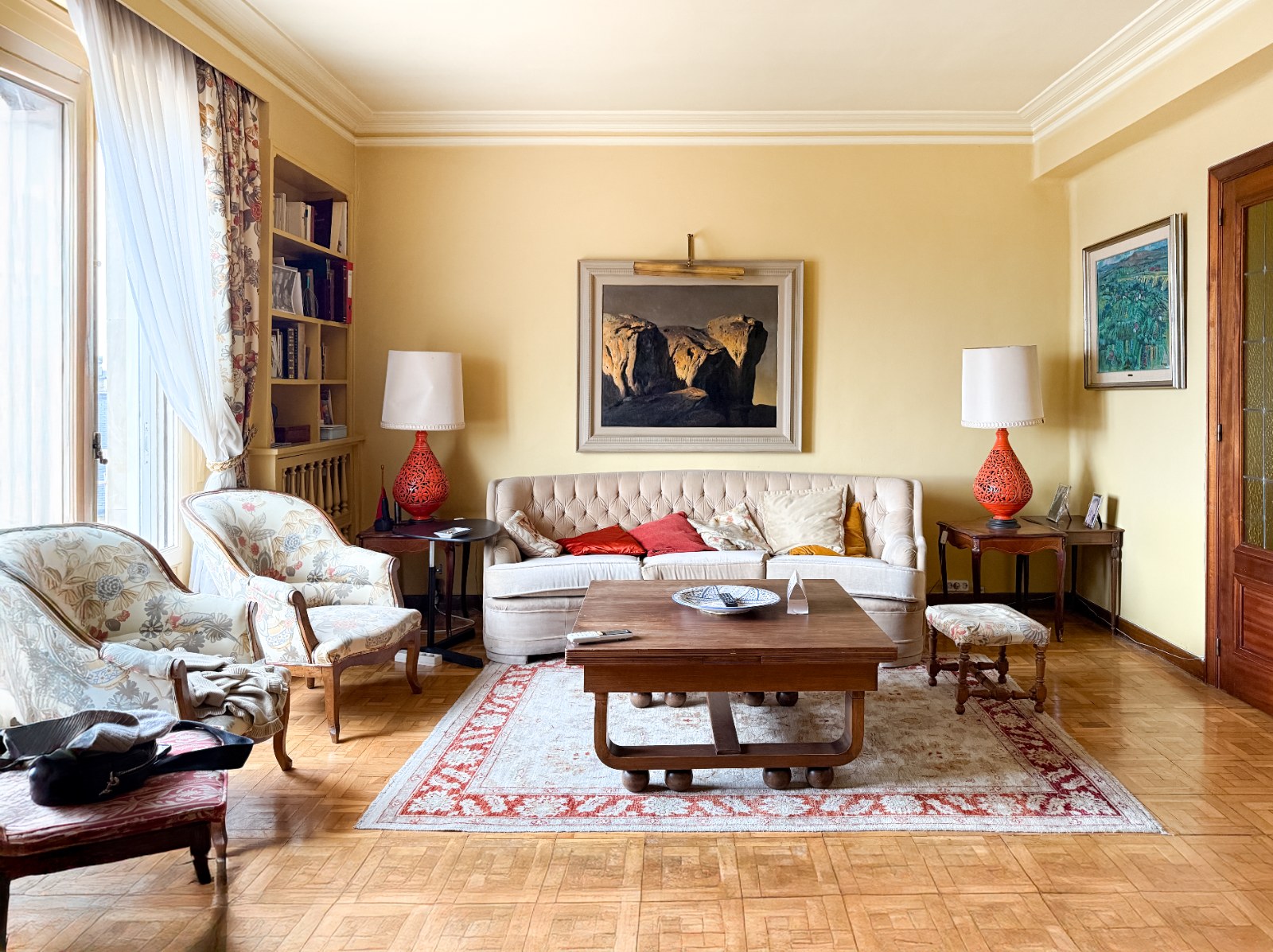
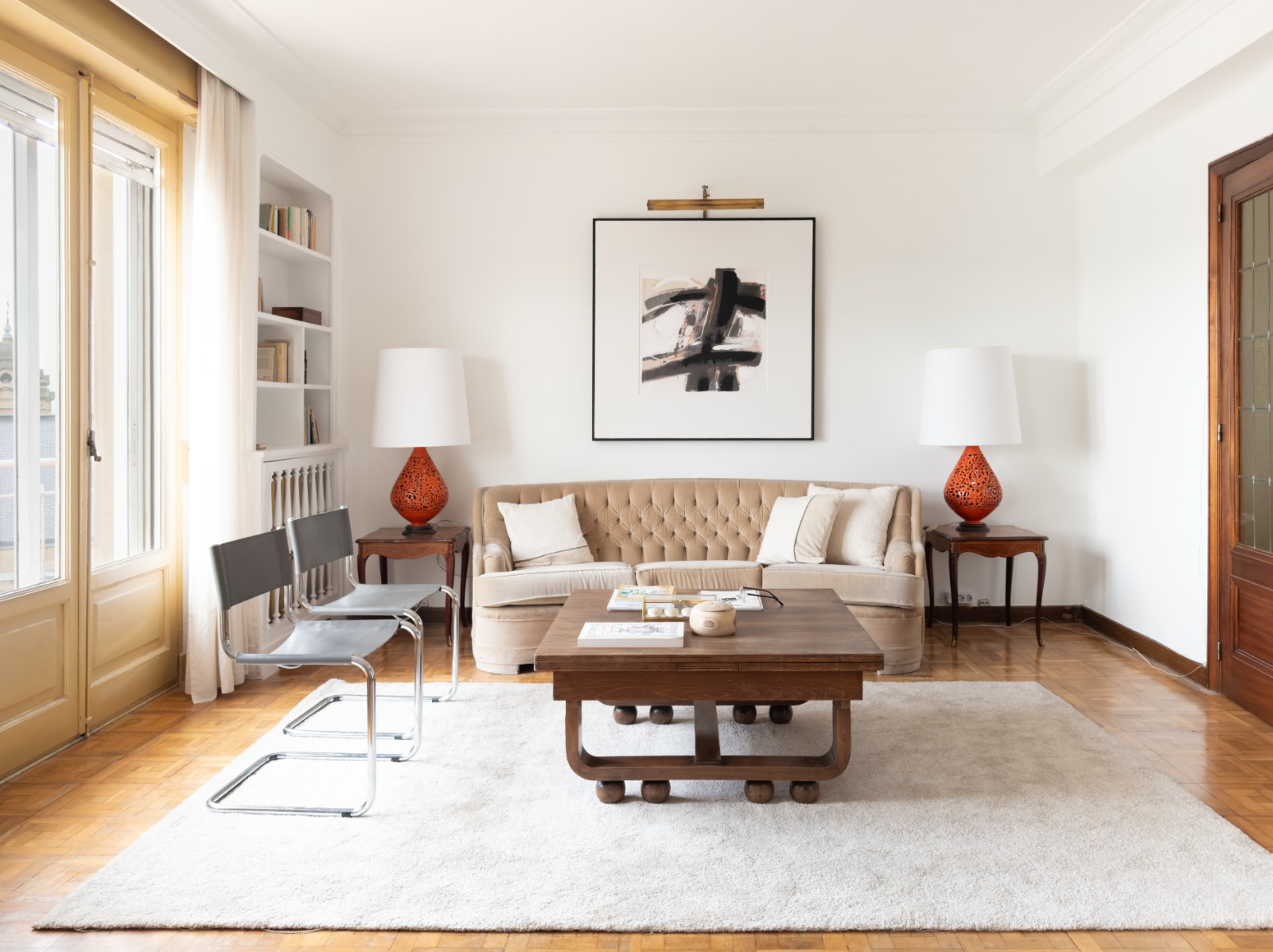
An occupied home I refreshed to sell.
How to price it
Here most of what you sell is your time and your eye, plus the accessories you bring in. Many stagers offer two levels: a paid consultation where the owners do the work themselves following your list, and a full service where you do it all.
Partial staging
Somewhere in between: you only stage the rooms that matter most. It's a great option when the budget is tight, and a great way to say yes to a client who thought full staging was too expensive.
Which one is best when you're starting?
Occupied and partial staging. You need very little inventory, the risk is low and they're perfect for building your portfolio. Vacant homes come later, once you know what furniture you really need.
At the walkthrough, always ask: Will the owners still be living there? Which rooms matter most to the realtor? When are the listing photos? The answers tell you which type of job it is and how to price it.
To see what to check on that first visit, read my first walkthrough checklist. For pricing, read how much to charge for home staging. And if you want every type of project explained step by step, it's all inside my home staging course.