Your portfolio is your best salesperson. It's what realtors look at, what homeowners trust and what makes people stop scrolling. And you don't need paying clients to start building it.
Start before your first paid job
Stage your own home. A friend's place before they sell. A relative's rental between tenants. A room at a time if that's all you can get. Every project counts, as long as it's real and well photographed.
The before & after is everything
A great after photo is nice. A great before & after is what convinces people. To make it work:
- Same angle. Stand in the exact same spot, at the same height.
- Same framing. Use the same lens or zoom.
- Same light, or as close as you can. Daylight, lights on, curtains open.
- Straight lines. Keep the camera level so walls and doors look straight.
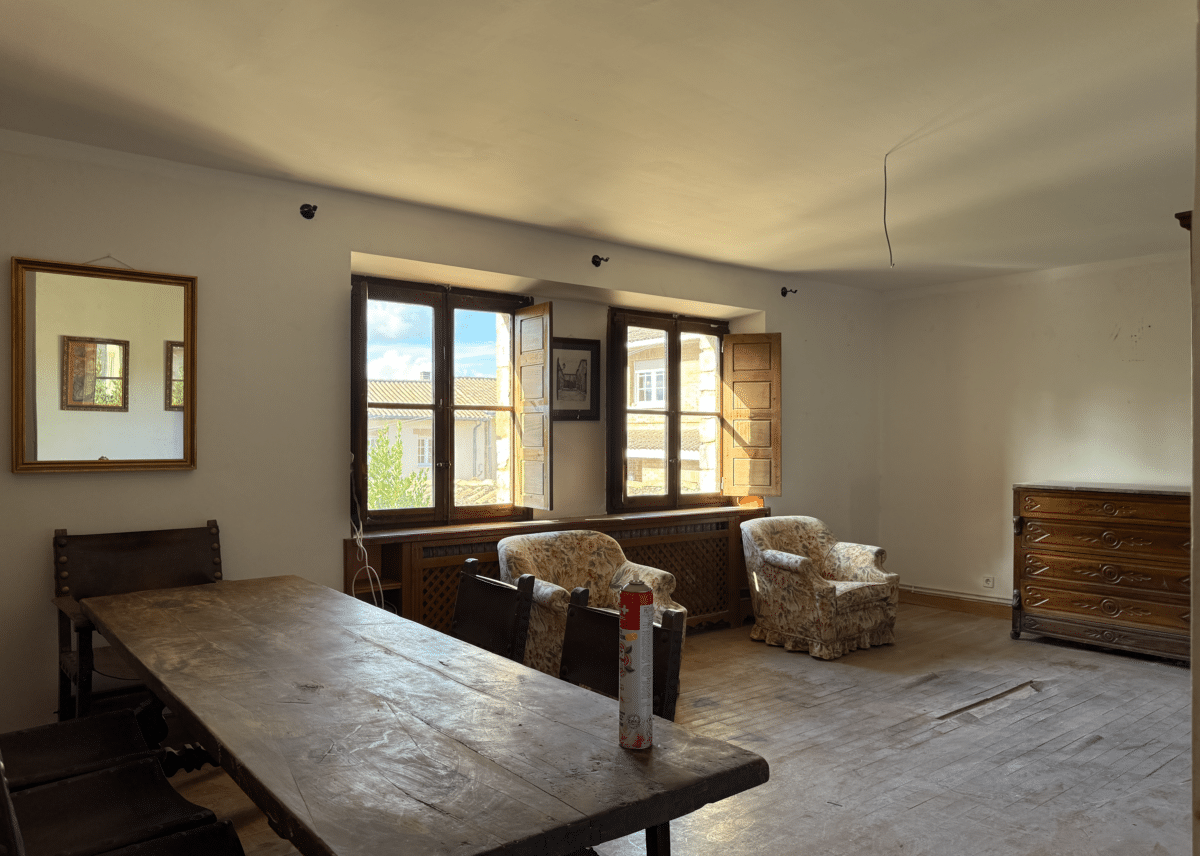
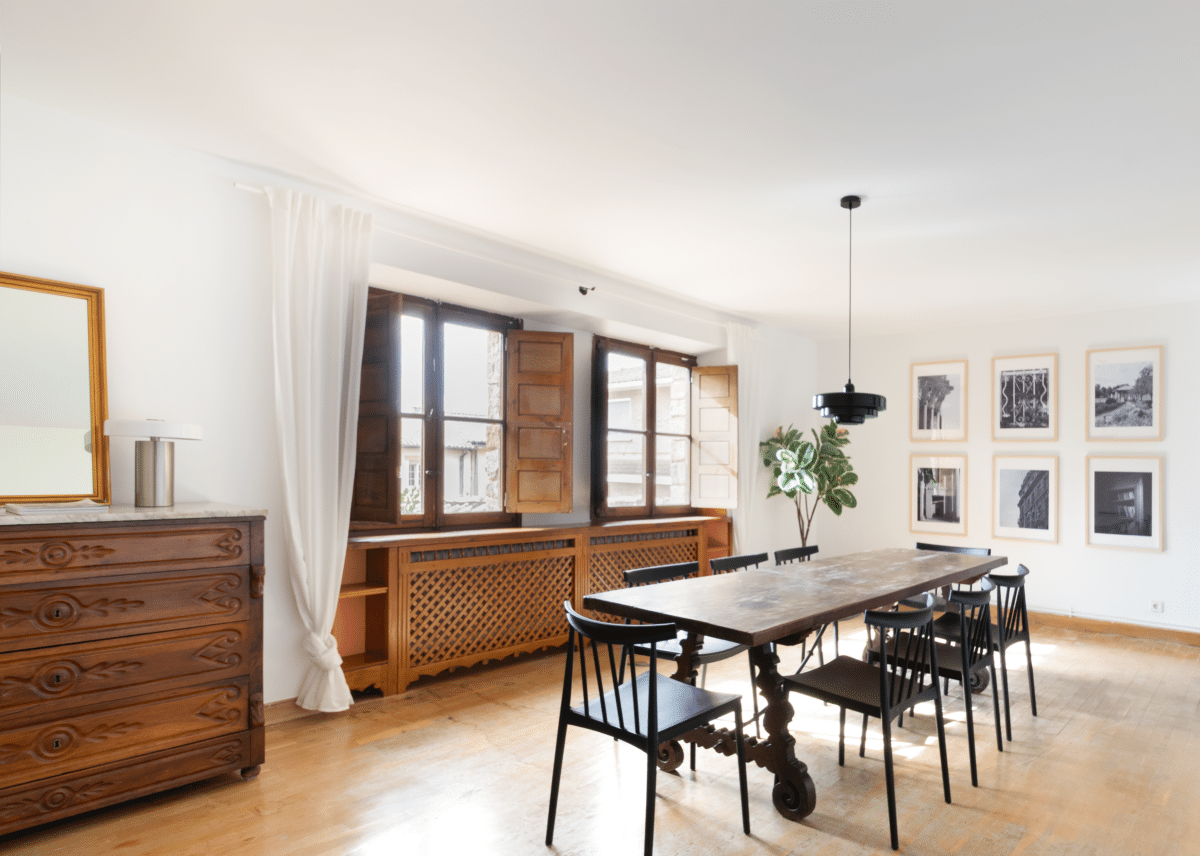
Same spot, same height, same light. That's what makes a before & after believable.
Photograph like a listing, not like Instagram
Realtors want to see how a room will look in the listing. Shoot wide, from corners or doorways, at about chest height. Turn on every light. Hide cables, remote controls and anything personal. Take your time: a great photo is worth more than ten average ones.
If you can, work with the realtor's photographer and ask for the final images. They're often better than yours, and they're exactly what your next client wants to see.
Tell the story of each project
For every project, write down a few lines:
- What type of home it was (vacant, occupied, partial).
- What the problem was (dark, cluttered, empty, outdated).
- What you changed and why.
- The result, if you know it: how quickly it sold or rented, or what the realtor said.
This turns pretty photos into proof that you know what you're doing.
Where to show your portfolio
- A simple website with your best before & afters and a clear way to contact you.
- Instagram (or your favorite social network), where you can also show the process.
- A short PDF you can send to realtors with three or four of your best projects.
Quality over quantity. Three strong, honest projects beat twenty average ones. Only show work you'd be happy to do again.
Keep it growing
Add every new project, and swap out older ones as your work gets better. Your portfolio should always show the kind of job you want more of.
Once your portfolio is ready, it's time to get your first clients. And if you want my step-by-step method for photographing, presenting and selling your work, it's all in my home staging course.